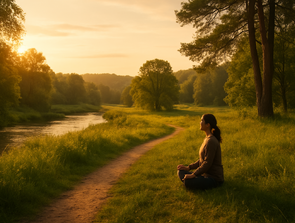
 Life happiness strategies often focus on practices like expressing gratitude, enhancing sociability, exercising, practicing mindfulness or meditation, and increasing nature exposure. These methods are commonly recommended in media and popular culture, but recent systematic reviews suggest that the scientific evidence supporting their effectiveness is not as robust as it might seem. For instance, while gratitude and mindfulness are widely suggested, the evidence that they consistently lead to increased happiness is still limited and inconclusive. This lack of strong evidence underscores the need for more well-designed studies to further explore these strategies' impact on happiness.
Despite the mixed evidence, some approaches have shown promise. The integrative model of sustainable happiness suggests that focusing on pleasant activities can be an effective route to increasing happiness. Strategies such as writing gratitude letters, engaging in acts of kindness, and scheduling pleasant events into daily life have been associated with higher levels of happiness. Additionally, connecting with others and finding meaning and purpose are highlighted as key factors in promoting well-being. These science-backed strategies emphasize the importance of intentional activities in enhancing happiness. However, the variability in individual responses to different strategies highlights the need for personalized approaches.
Understanding and implementing these life happiness strategies can have a profound impact on personal well-being. By incorporating activities that promote positive emotions and meaningful connections, individuals can potentially experience improvements in mental health and resilience. This approach can help reduce stress and enhance overall quality of life. By recognizing what works best for them personally, individuals can tailor their happiness strategies to fit their unique circumstances and needs, leading to a more fulfilling and joyful life. As such, exploring various happiness strategies and tailoring them to individual experiences can be a powerful step towards achieving a happier and more balanced life.