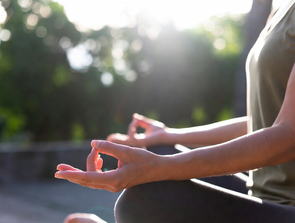
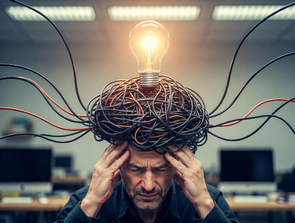
 In today's fast-paced world, stress has become a ubiquitous challenge, but simple, science-backed techniques offer effective relief without requiring special equipment or extensive time commitments. Mindfulness-Based Stress Reduction (MBSR), developed for chronic pain patients, teaches body scans, gentle yoga, and sitting meditation over eight weeks, helping individuals process emotions and respond adaptively to stressors rather than reacting reflexively. Research, including a 2023 randomized controlled trial, shows MBSR is as effective as common anxiety medications like escitalopram, with benefits lasting months, while progressive muscle relaxation (PMR)—tensing and releasing muscle groups—reduces anxiety and depression, particularly in older adults, with effects persisting up to 14 weeks. Deep breathing exercises activate the parasympathetic nervous system, lowering heart rate and blood pressure to counter the fight-or-flight response, making them an accessible first line of defense.
Physical practices like yoga, tai chi, and qigong complement these methods by combining movement with mindfulness, with studies indicating they alleviate anxiety symptoms and improve mood as adjunct therapies. Even short bouts of exercise or time in nature enhance concentration, memory, and well-being, while basic self-care—prioritizing 7+ hours of sleep, nutritious eating with fruits, vegetables, and lean proteins, and regular activity—builds resilience against stress buildup. Progressive muscle relaxation, starting from the lower body and moving upward, or its passive version focusing solely on release, combats tension headaches and fatigue caused by chronic muscle tightening. Journaling, stretching, or brief meditation breaks further unwind the mind, especially when limiting exposure to negative news.
Adopting these techniques fosters a "green zone" of productive stress, preventing escalation to exhaustion, and supports social connections and better time management for sustained balance. This could help you by transforming overwhelming daily pressures into manageable moments, enhancing emotional regulation, sleep quality, and overall mental health for greater focus, resilience, and joy in everyday life.